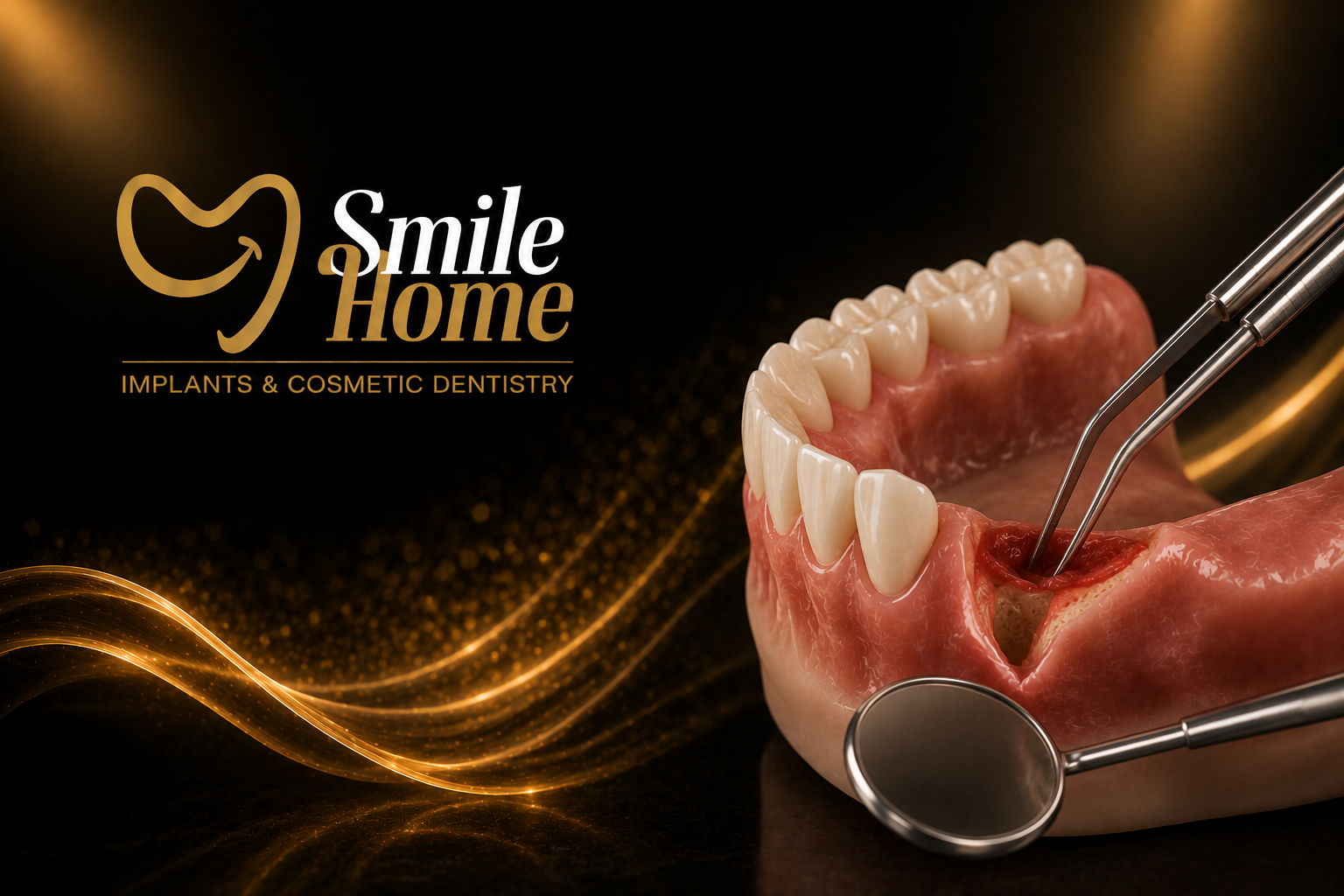

Oral surgery includes a range of procedures aimed at treating complex dental conditions that cannot be managed with routine dental care. The most common surgical treatments are dental extractions and the removal of impacted teeth. These procedures are performed to relieve pain, eliminate infection, and protect overall oral health.
Surgical procedures are carried out under local anesthesia to ensure patient comfort, and sedation options may be available in more complex or anxiety-related cases. Advanced diagnostic tools such as digital X-rays and 3D imaging are used to plan treatment accurately and ensure safe, predictable outcomes.
Dental extractions involve the removal of teeth that are severely damaged, decayed, fractured, or no longer restorable. While preserving natural teeth is always the goal, extraction becomes necessary when a tooth cannot be saved or is causing infection or pain.
There are two types of extractions:
Simple extraction, performed on visible teeth that can be easily removed.
Surgical extraction, used for broken, difficult, or inaccessible teeth.
After the procedure, patients receive detailed aftercare instructions to promote healing and reduce discomfort. In many cases, tooth replacement options such as dental implants, bridges, or dentures are recommended to restore function and aesthetics.
Impacted teeth are teeth that fail to erupt properly into their correct position due to lack of space, obstruction, or abnormal positioning. The most commonly affected teeth are wisdom teeth (third molars), although other teeth may also become impacted.
If left untreated, impacted teeth can lead to pain, swelling, infection, damage to nearby teeth, or cyst formation. For this reason, surgical removal is often recommended when complications are present or likely to develop.
Treatment is planned using clinical examination and imaging such as X-rays or 3D CBCT scans. The procedure involves making a small incision in the gum, and in some cases removing a small amount of bone or dividing the tooth into sections for safe extraction. Sutures may be placed to support healing.
Recovery is usually quick, with mild swelling or discomfort managed through medication and proper care. Most patients return to normal daily activities within a few days.
Surgical removal of impacted teeth is a safe and effective procedure that helps prevent future complications, relieves pain, and protects oral health.